
Shiven Taneja
Mechanical Engineering + Business @ University of Pennsylvania M&T
Projects


For this go kart build, I mounted a Predator 212cc engine onto the frame and aligned it with the rear axle sprocket to create a simple and reliable chain-drive system. I used #35 chain along with both connecting and offset links to get the exact length needed for proper tension. After setting up the steering column, seat, and drivetrain, I installed and aligned the chain so the clutch engages smoothly and transfers power to the rear wheels. The result is a fully functional homemade go-kart powered by the Predator 212cc engine, ready for testing and tuning.
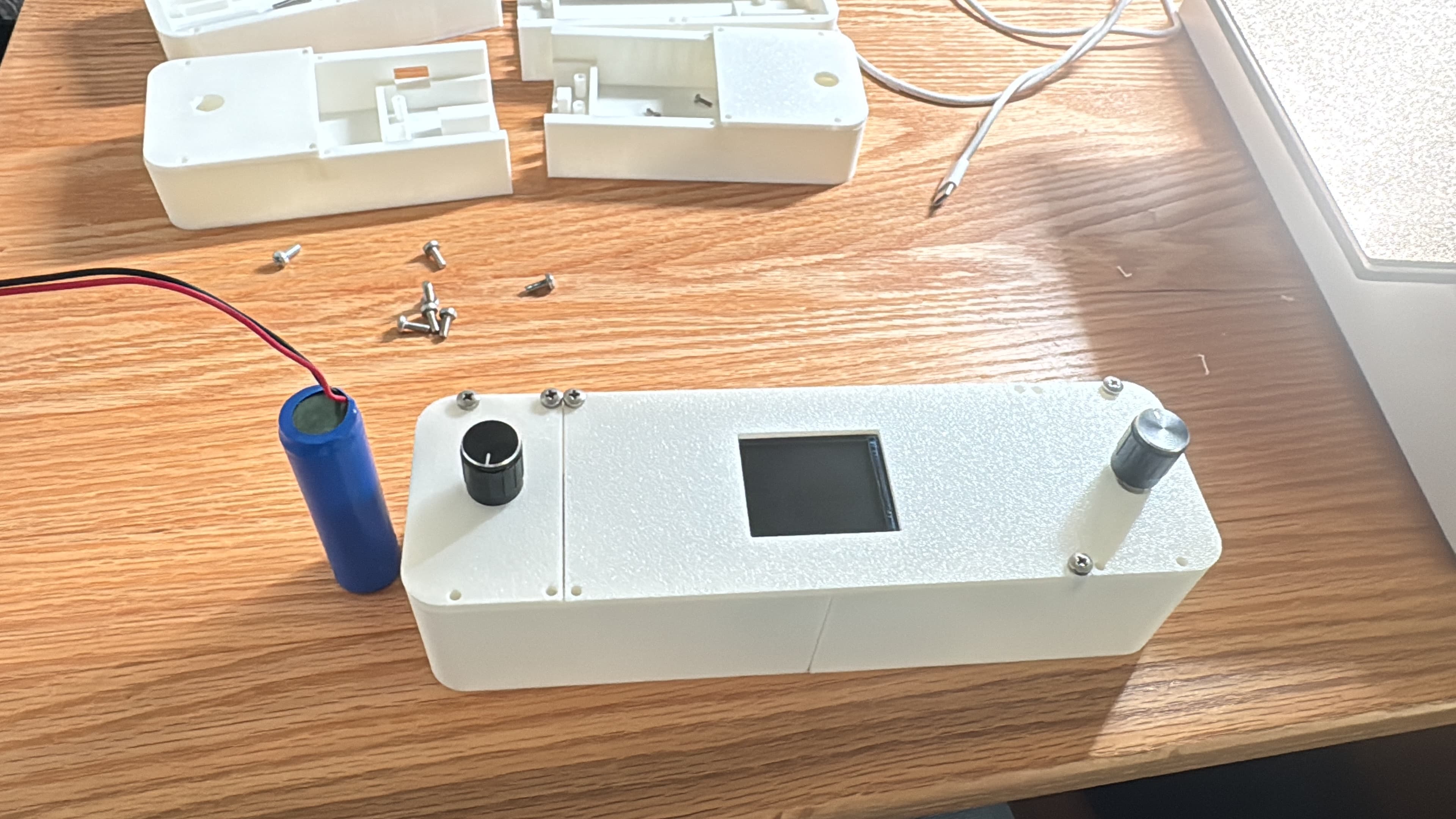
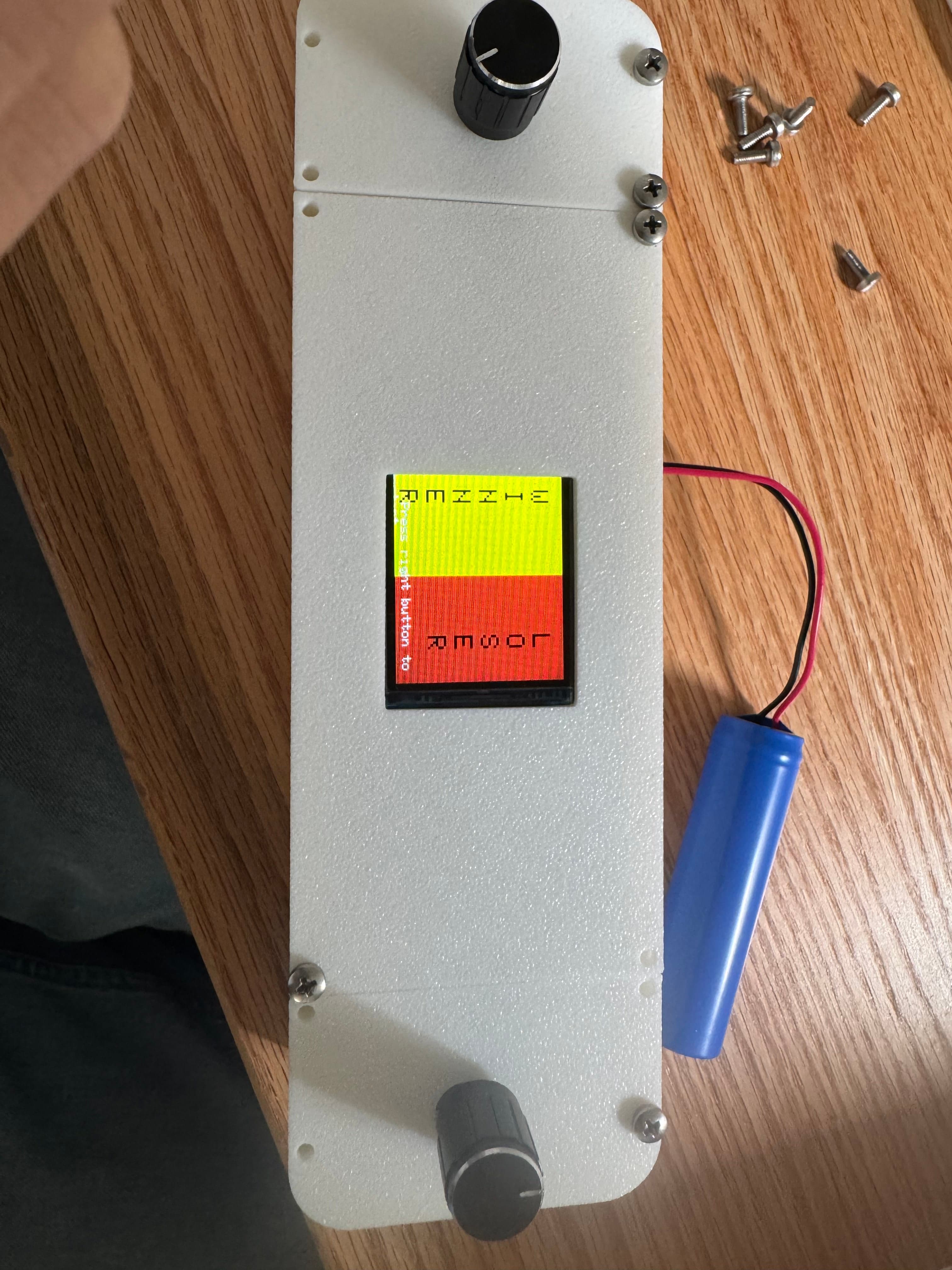
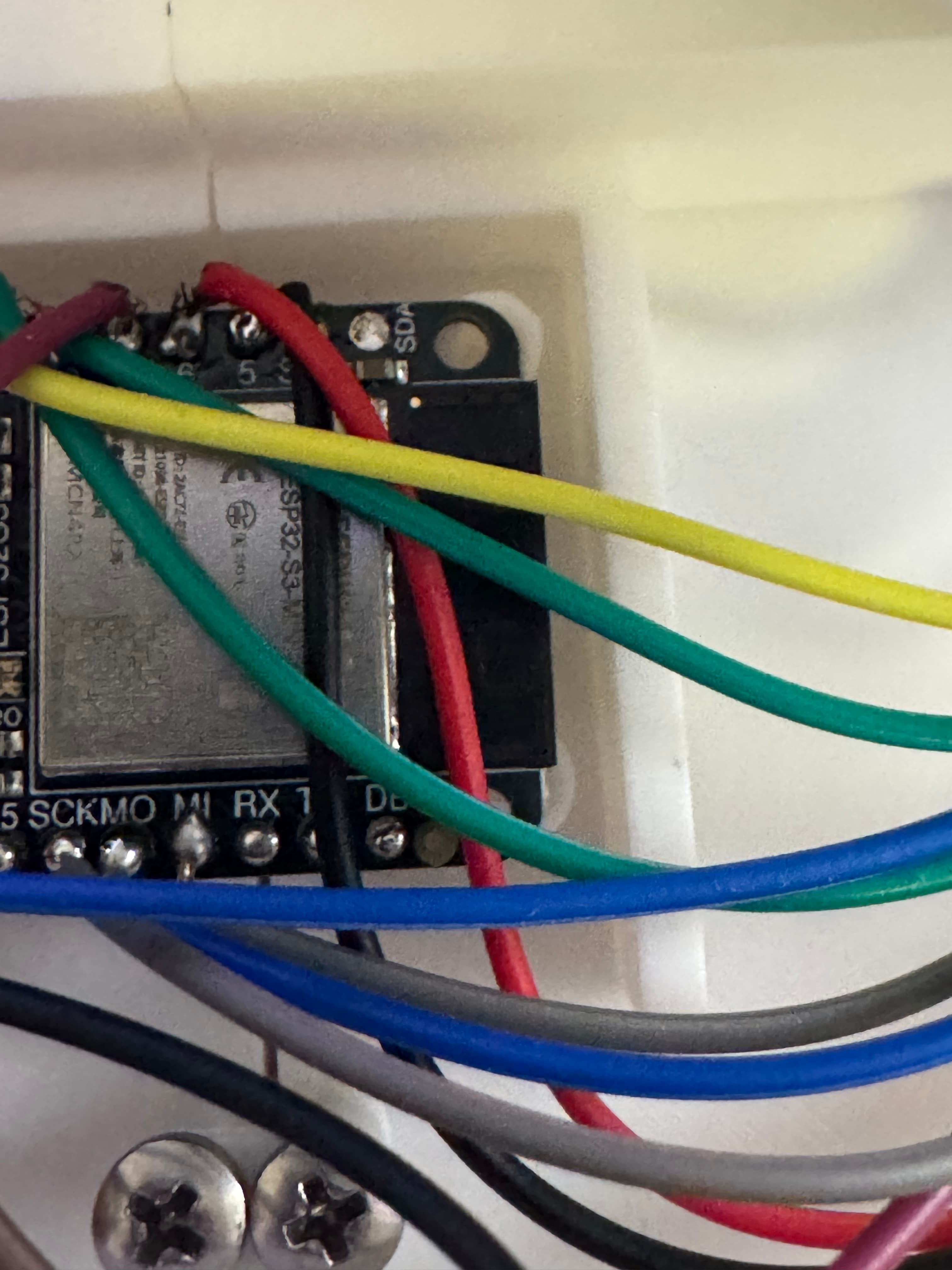
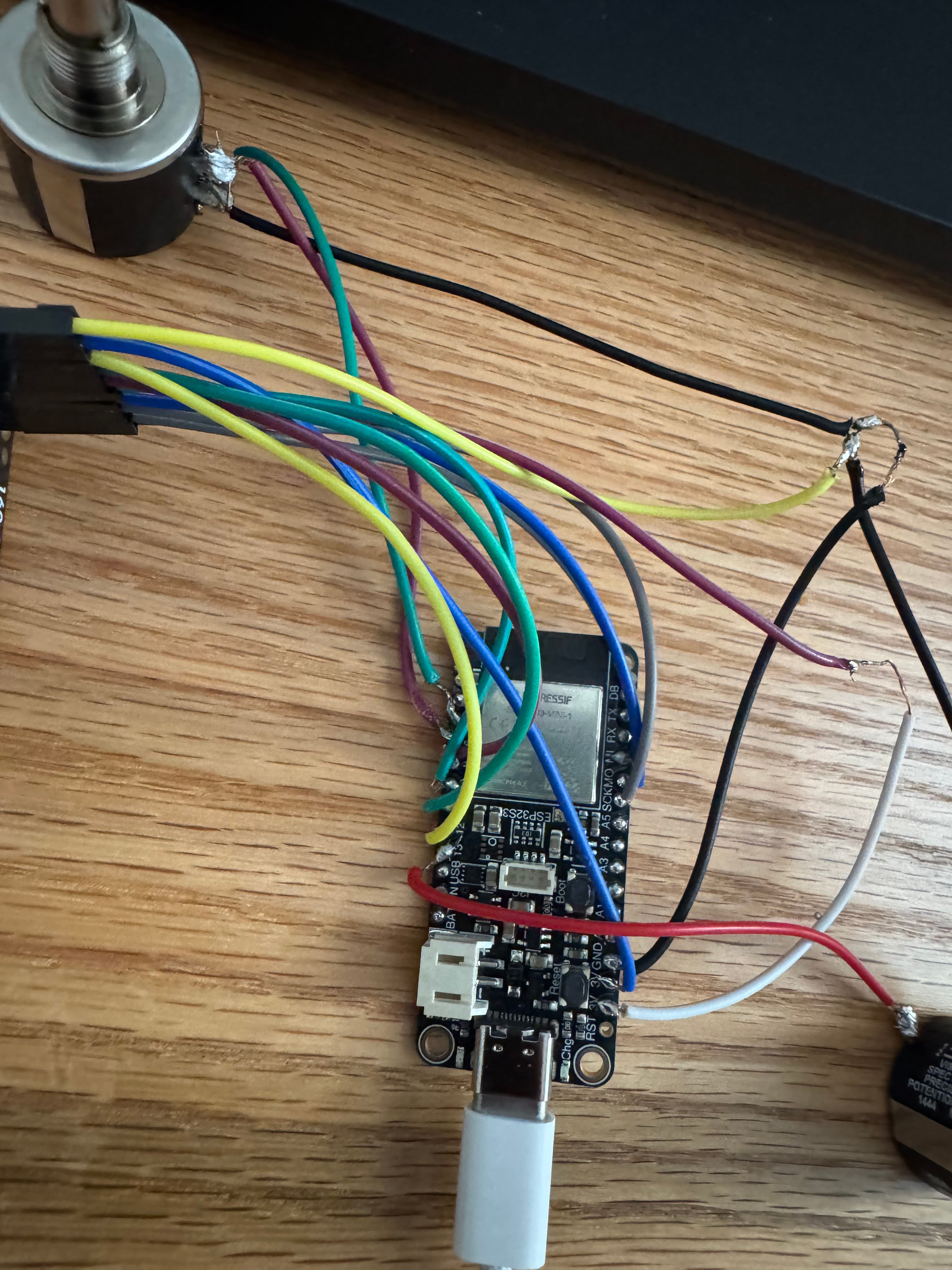
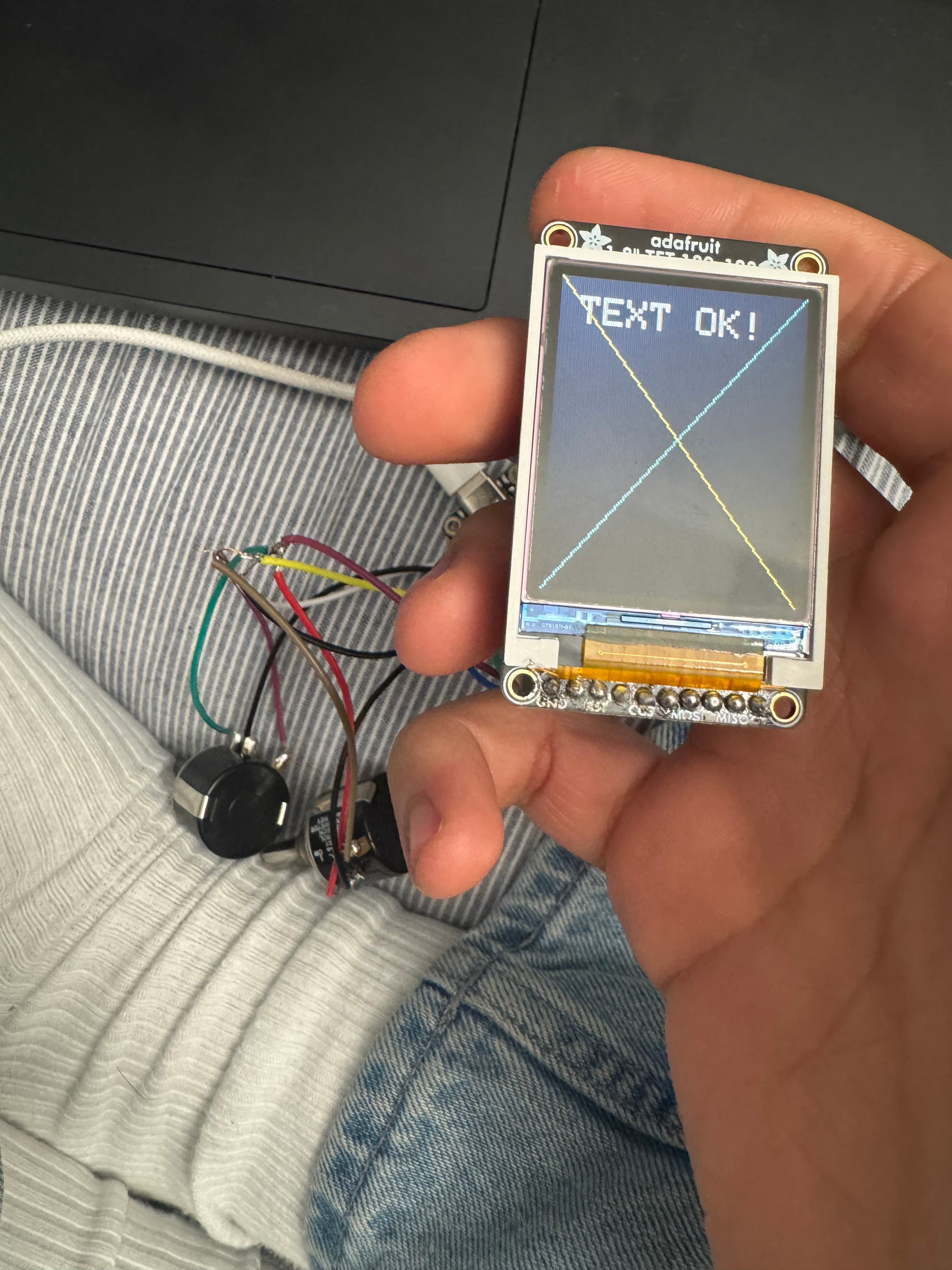
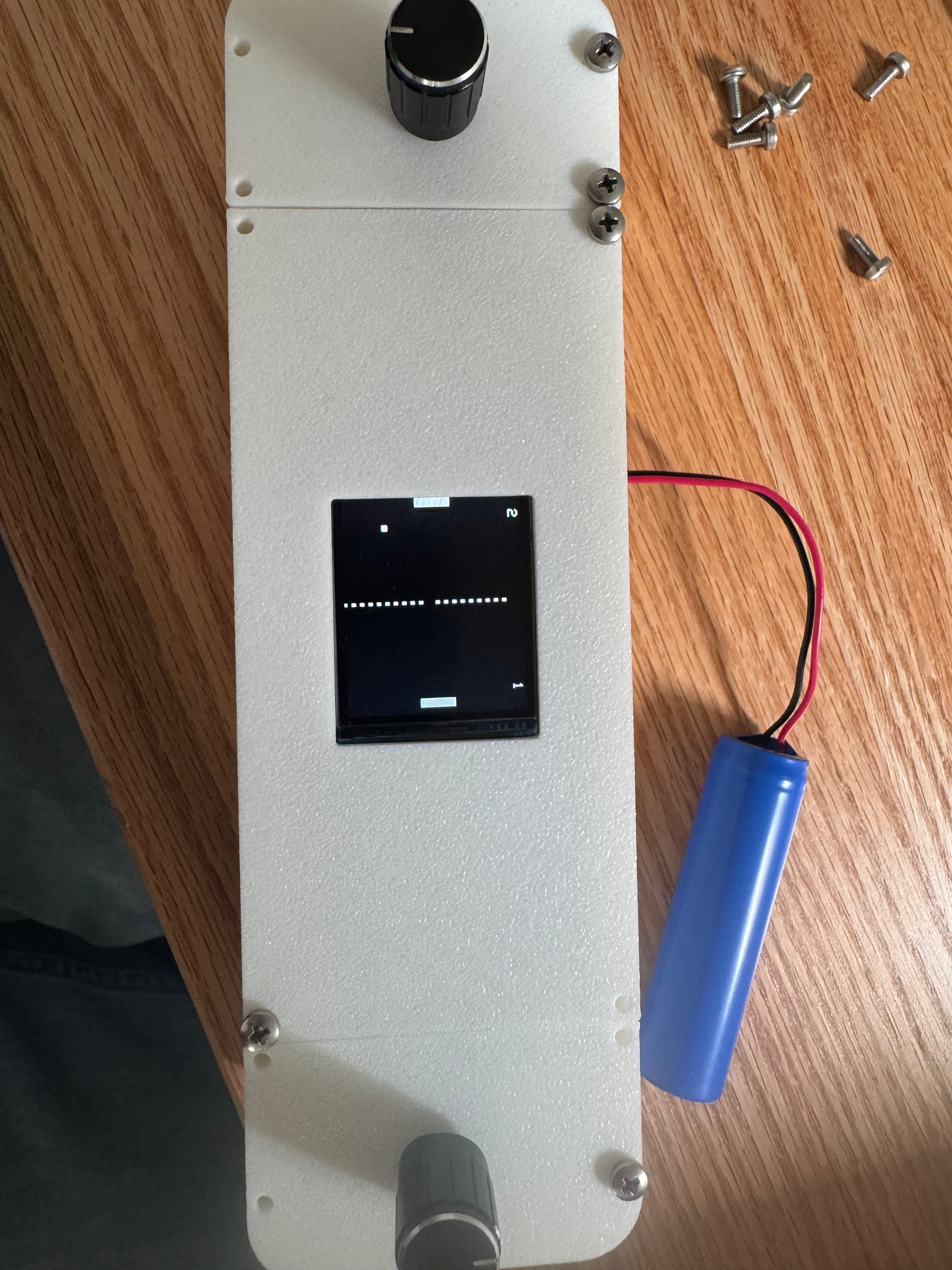
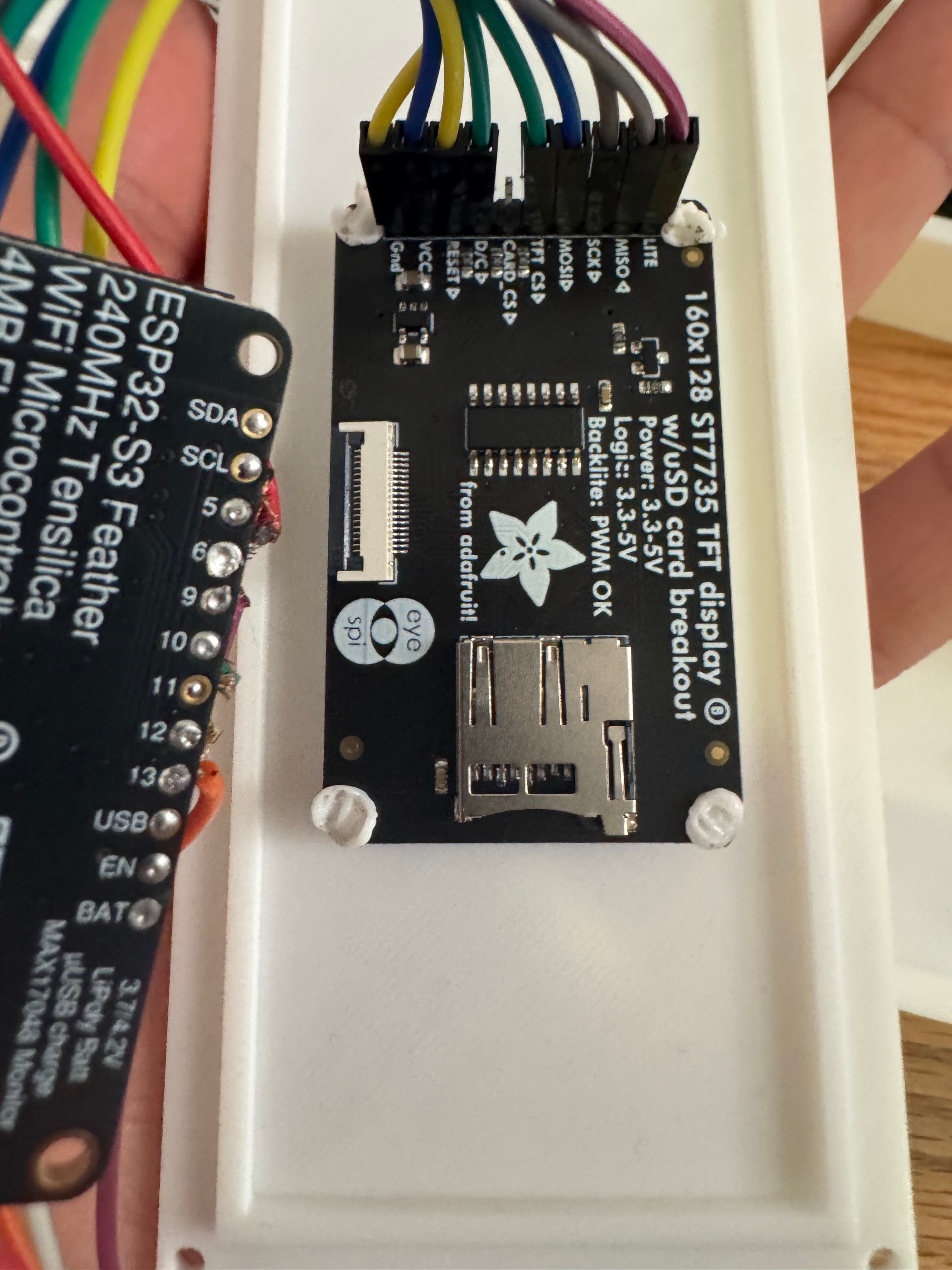
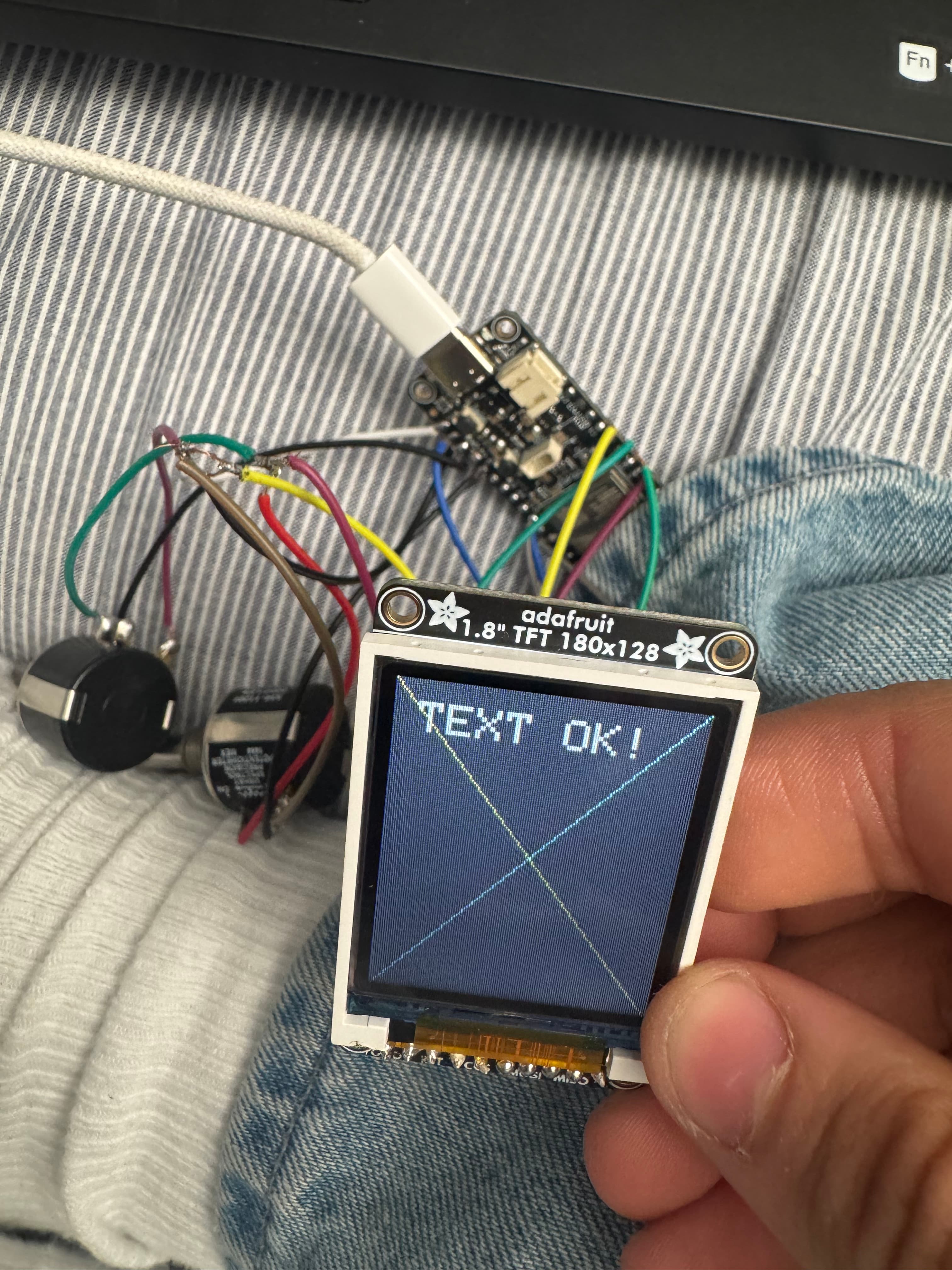
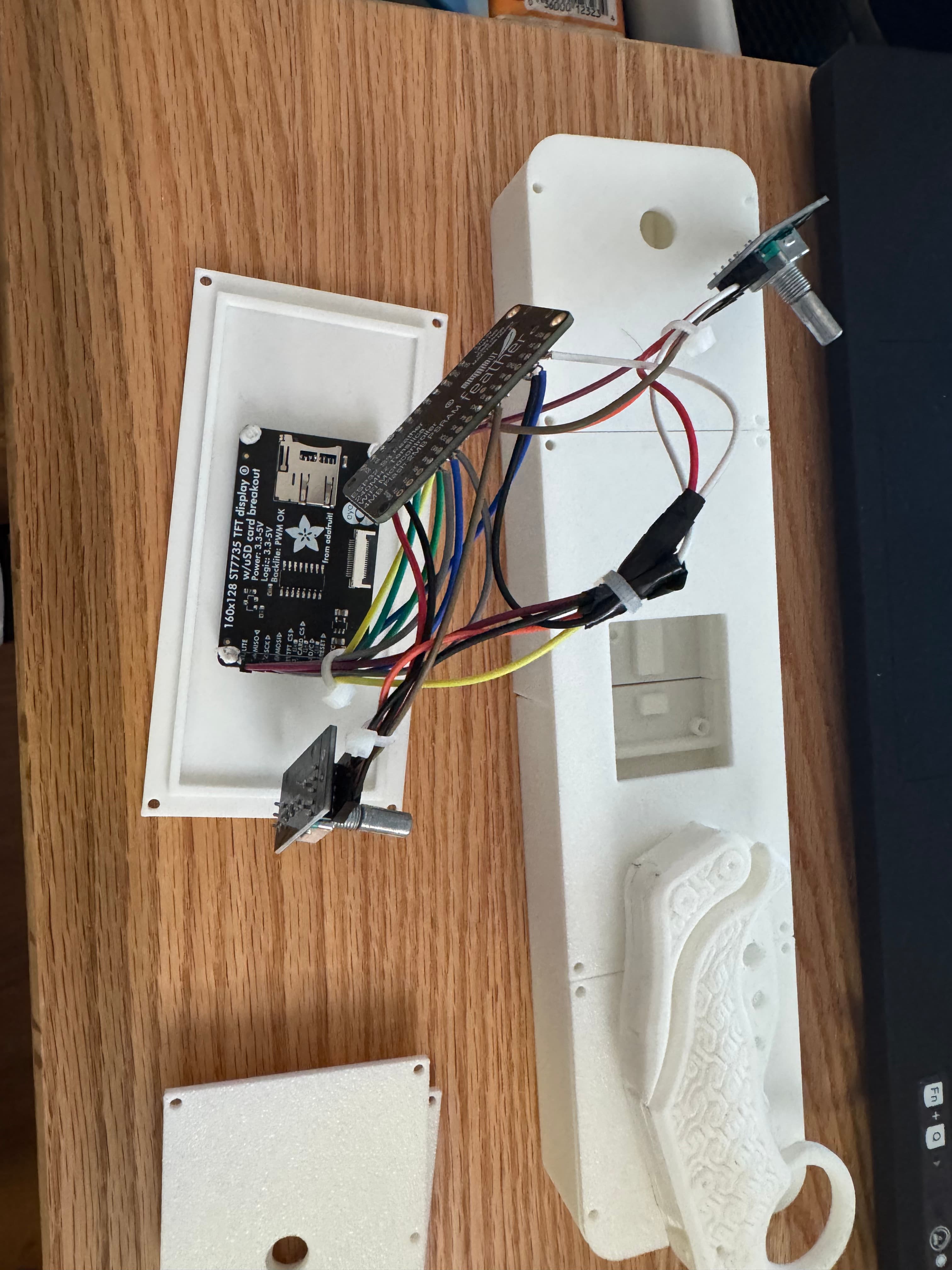
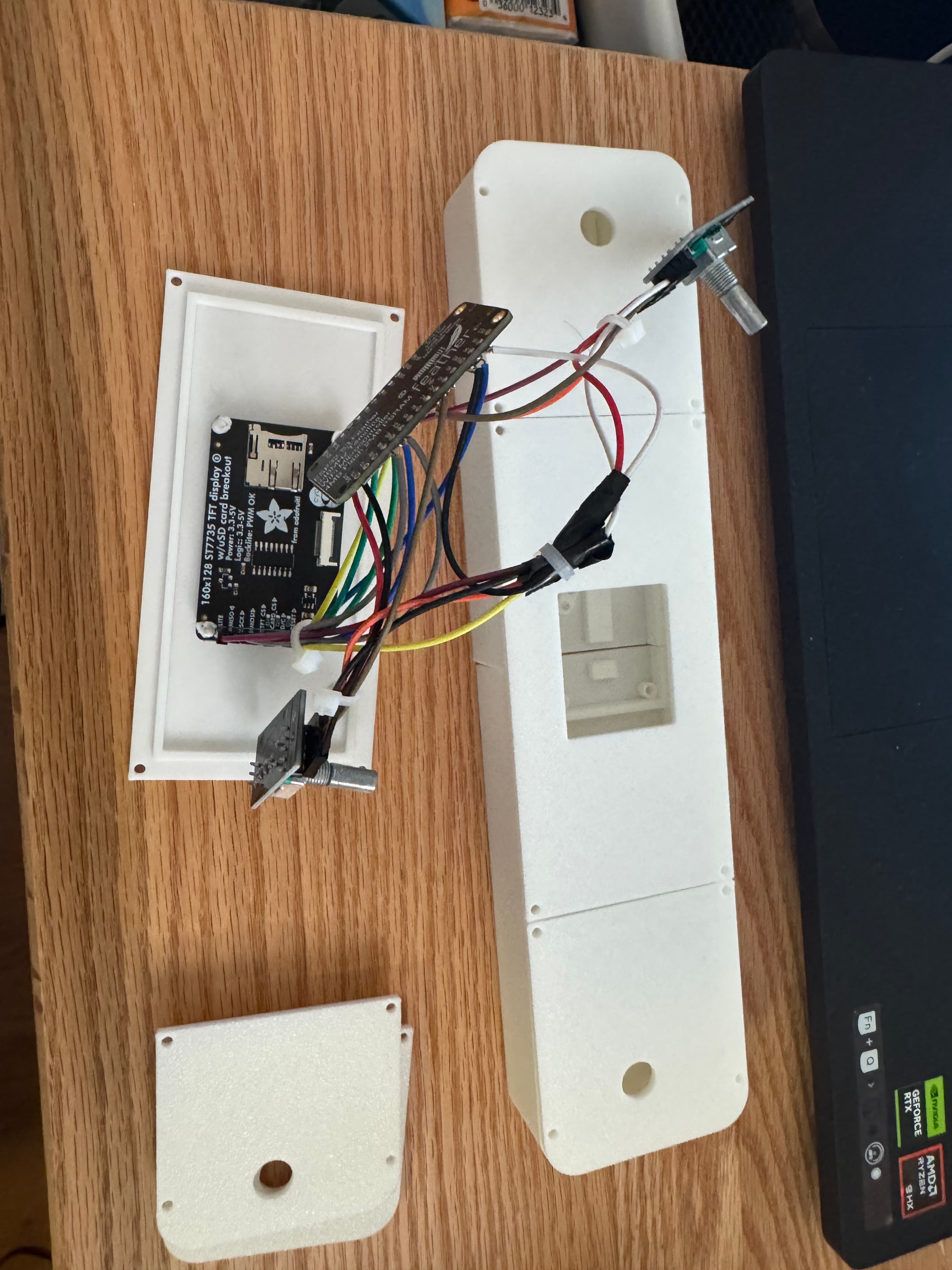
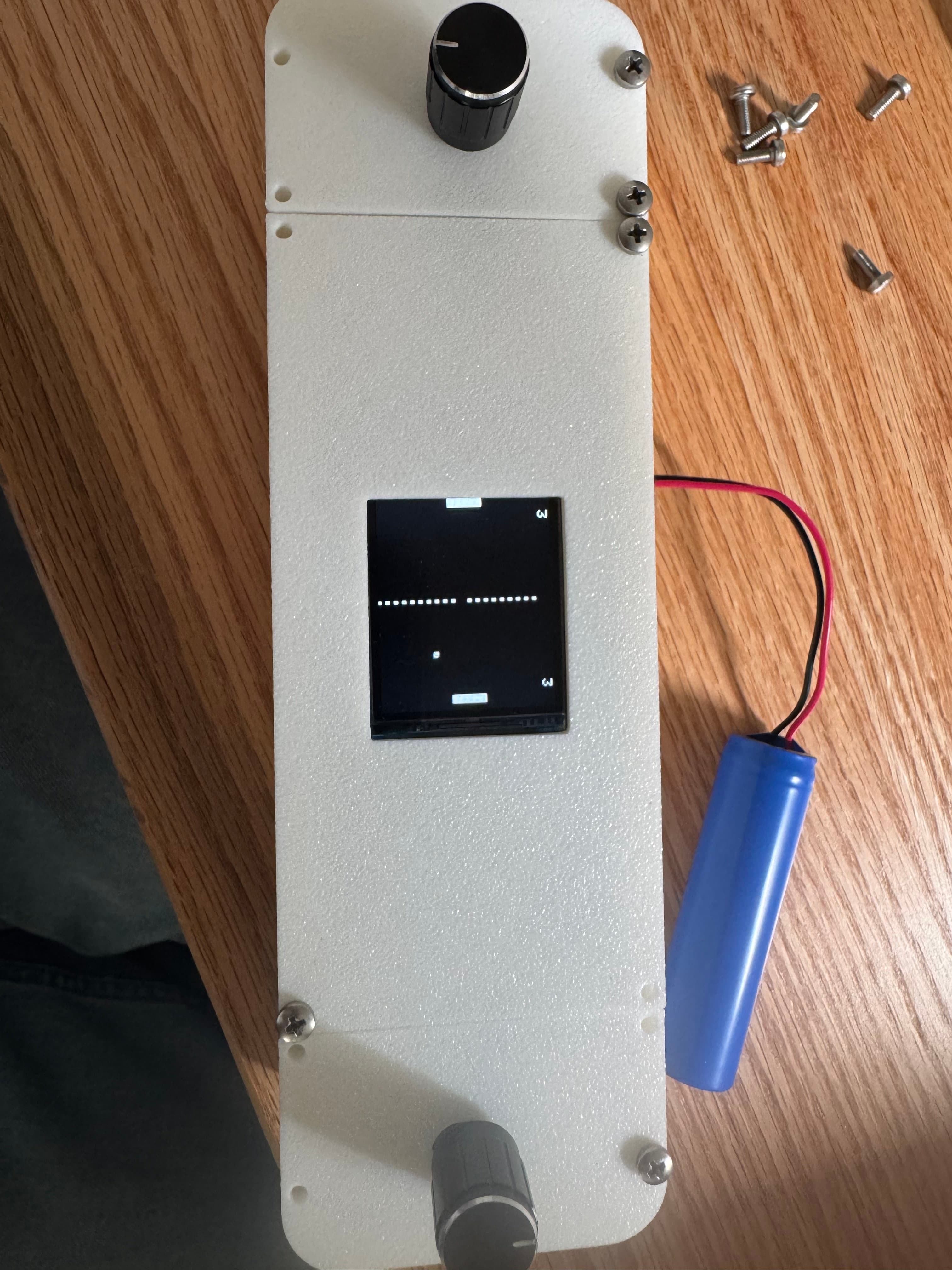
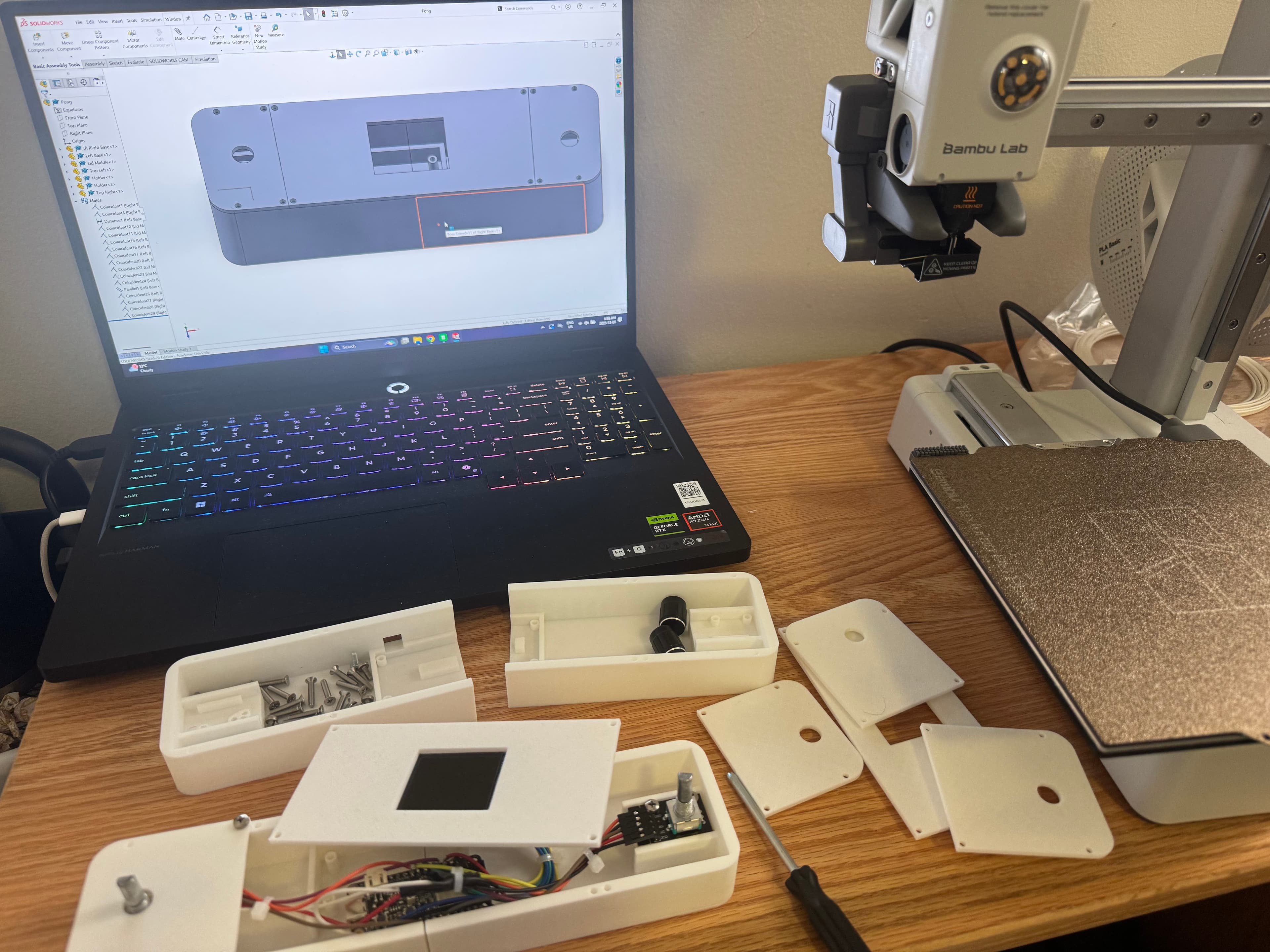
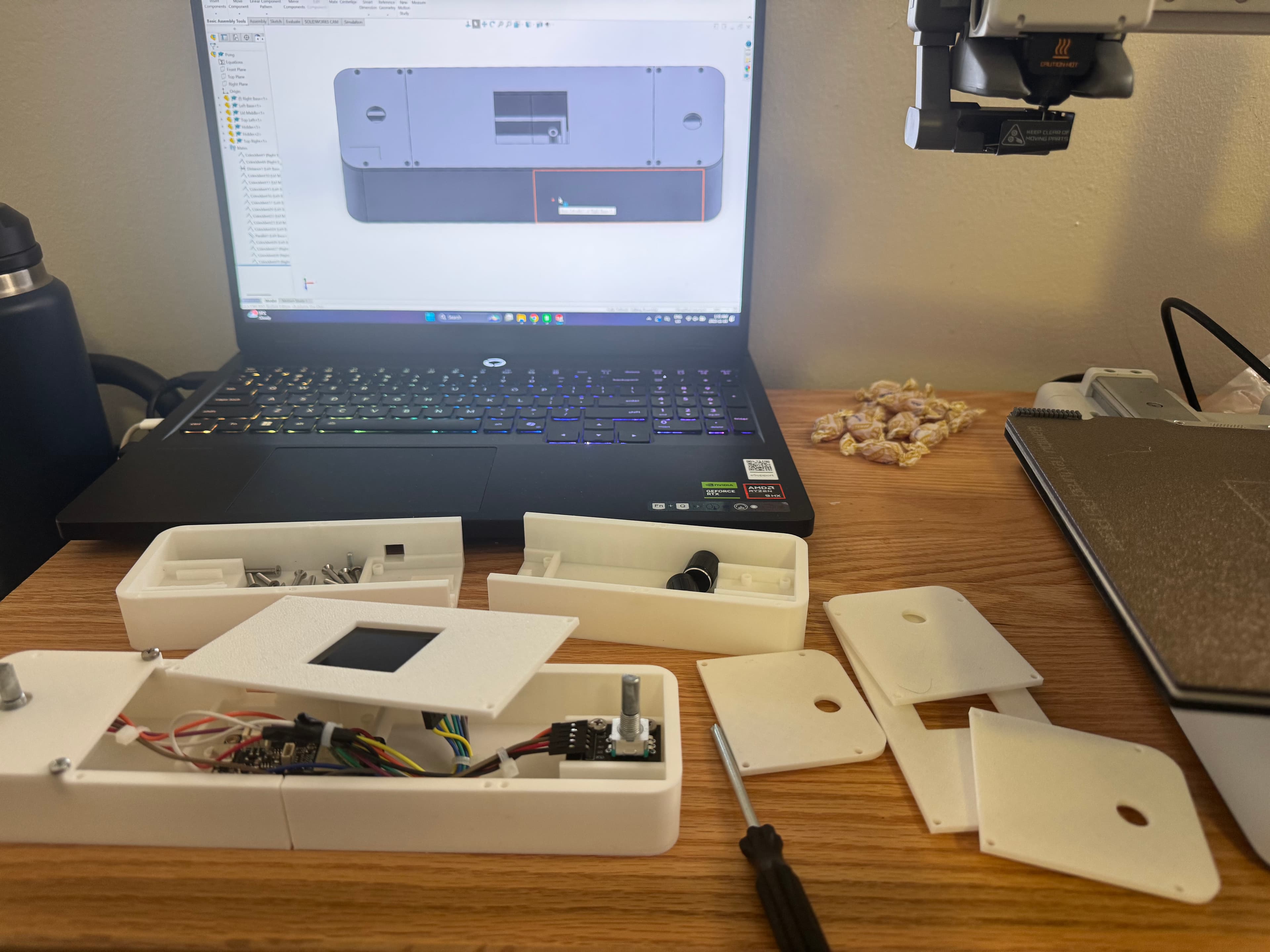
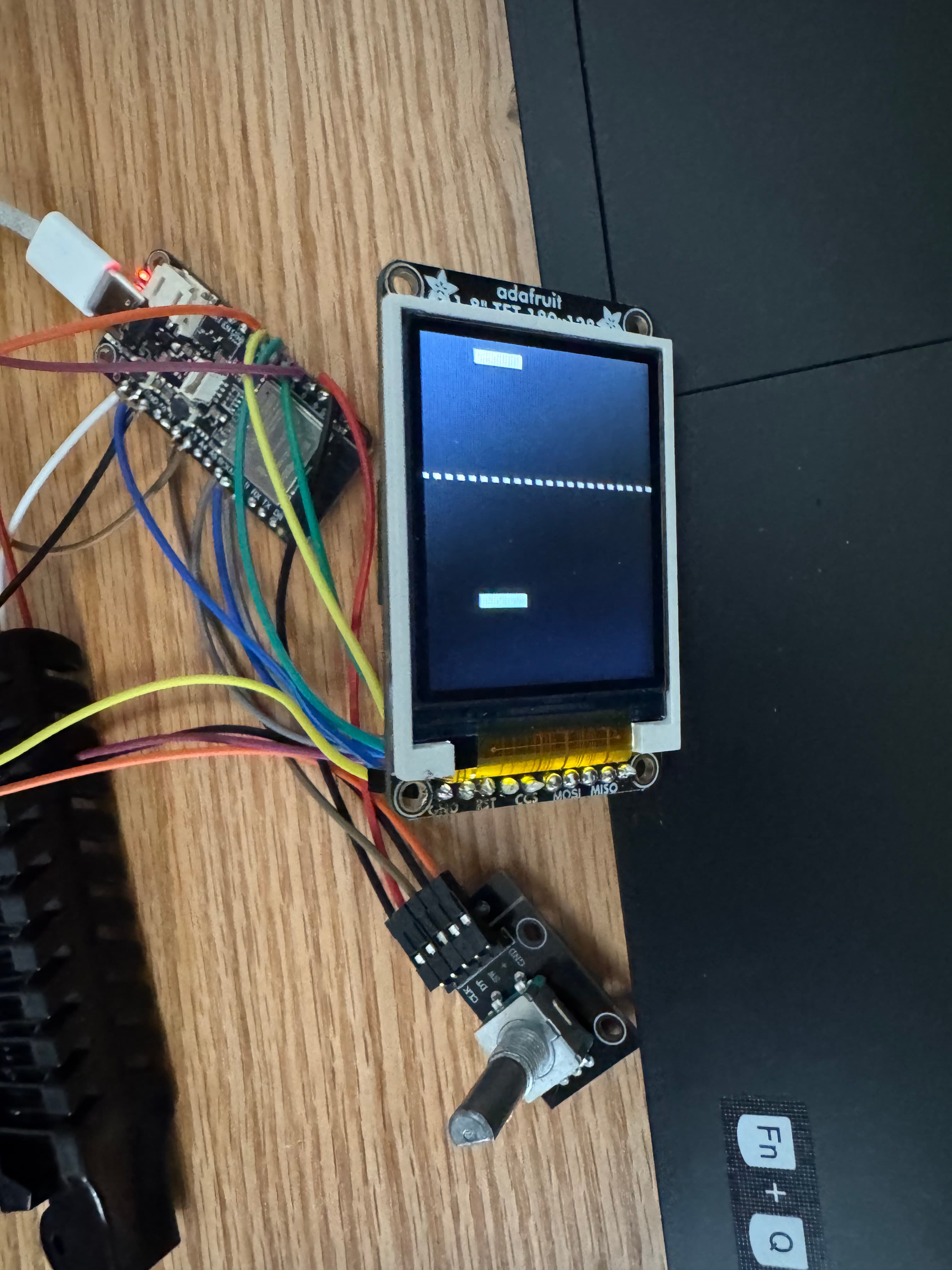
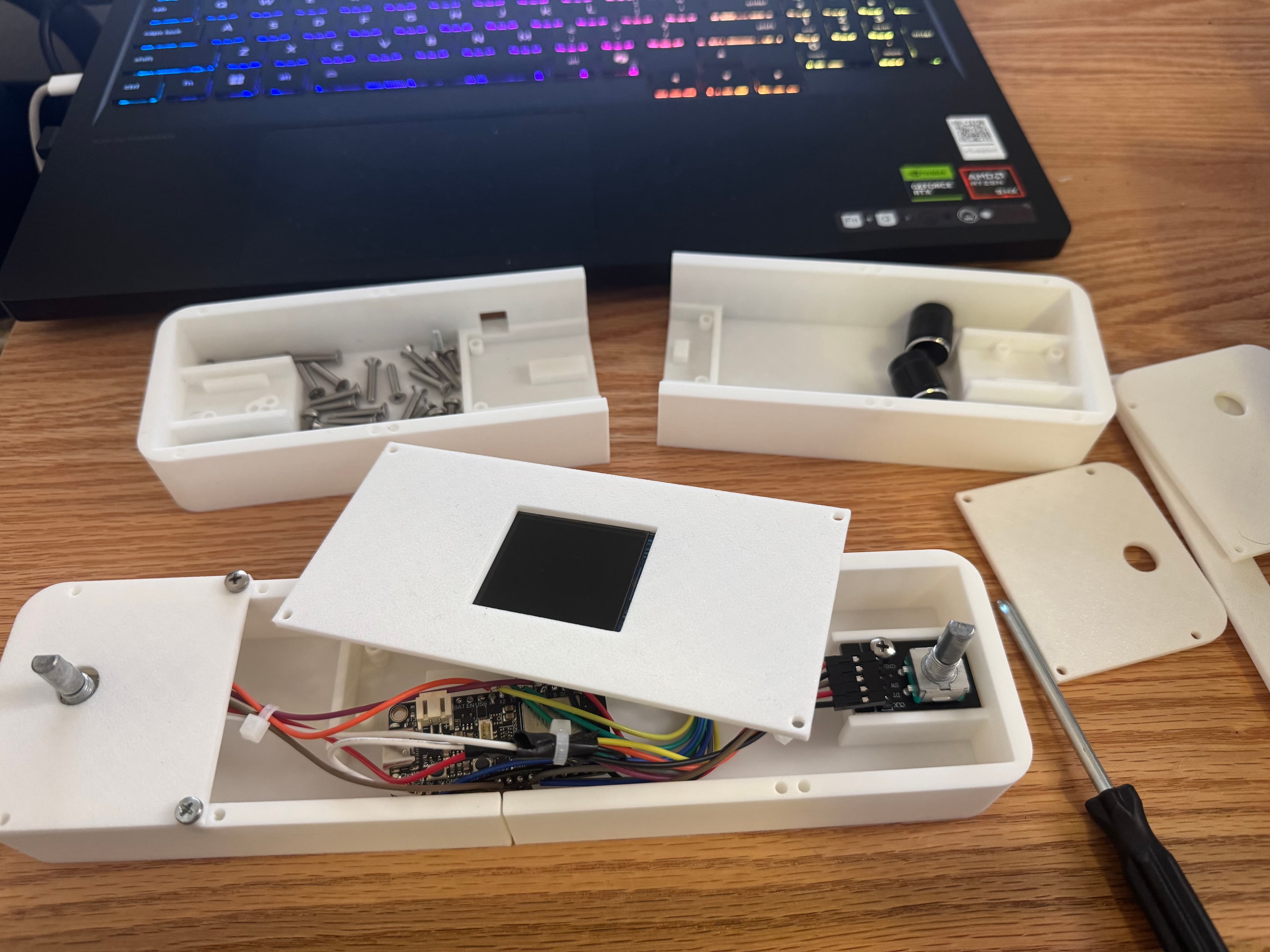
For this project, I designed and built a custom handheld Pong machine powered by an ESP32 Feather microcontroller. The game runs on a 1.8” ST7735 TFT display, with two rotary encoders used as the player controls. I modeled the entire enclosure in SolidWorks and 3D-printed it using a Bambu Lab printer, designing internal mounts for the screen, encoders, and microcontroller. All wiring—from the display’s SPI pins to the encoder signal lines and battery power—was soldered and routed into the ESP32 Feather inside the printed shell. Once assembled, the device becomes a fully portable, battery-powered Pong console that plays smoothly and responds instantly to the encoder inputs.
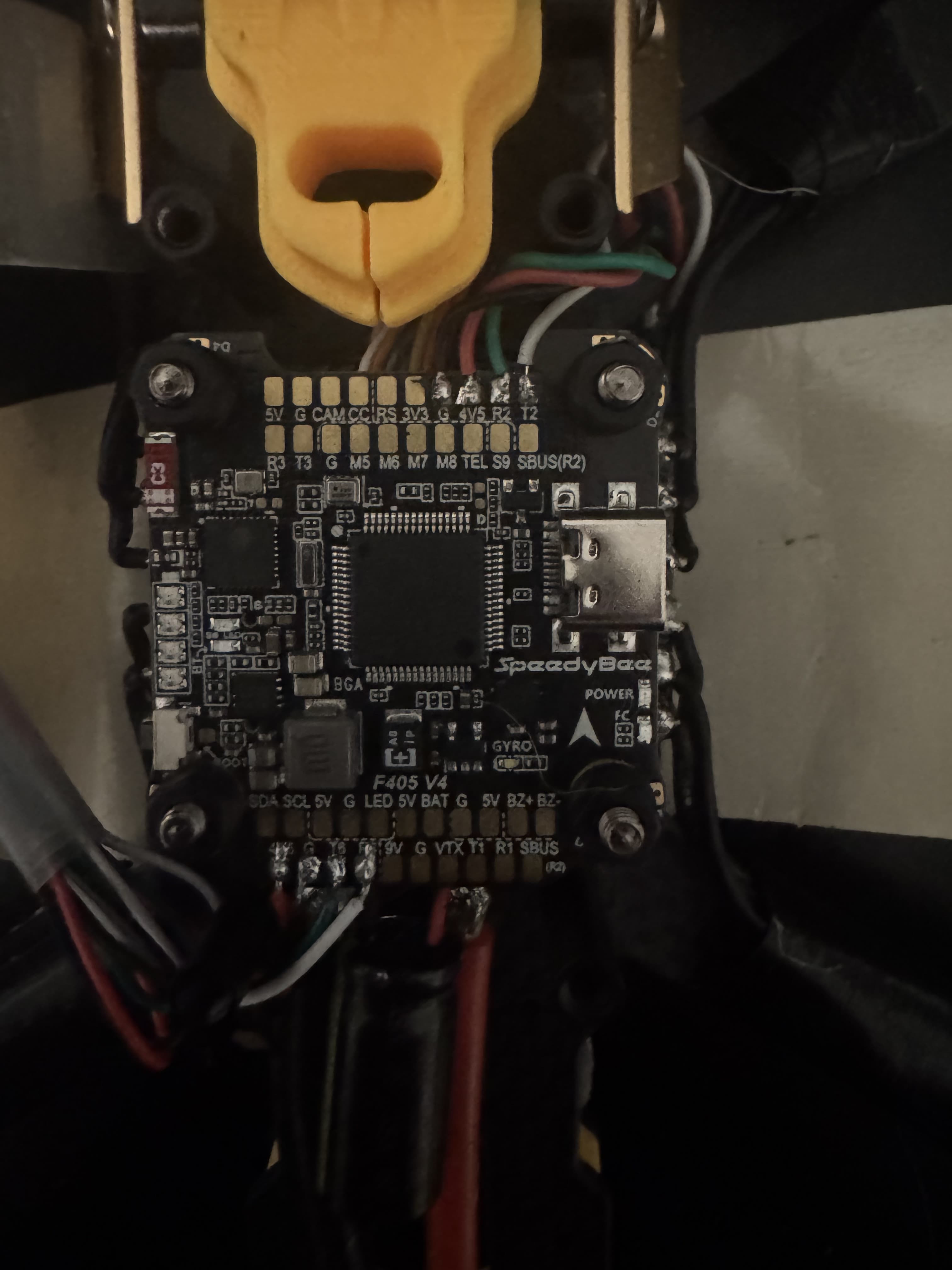
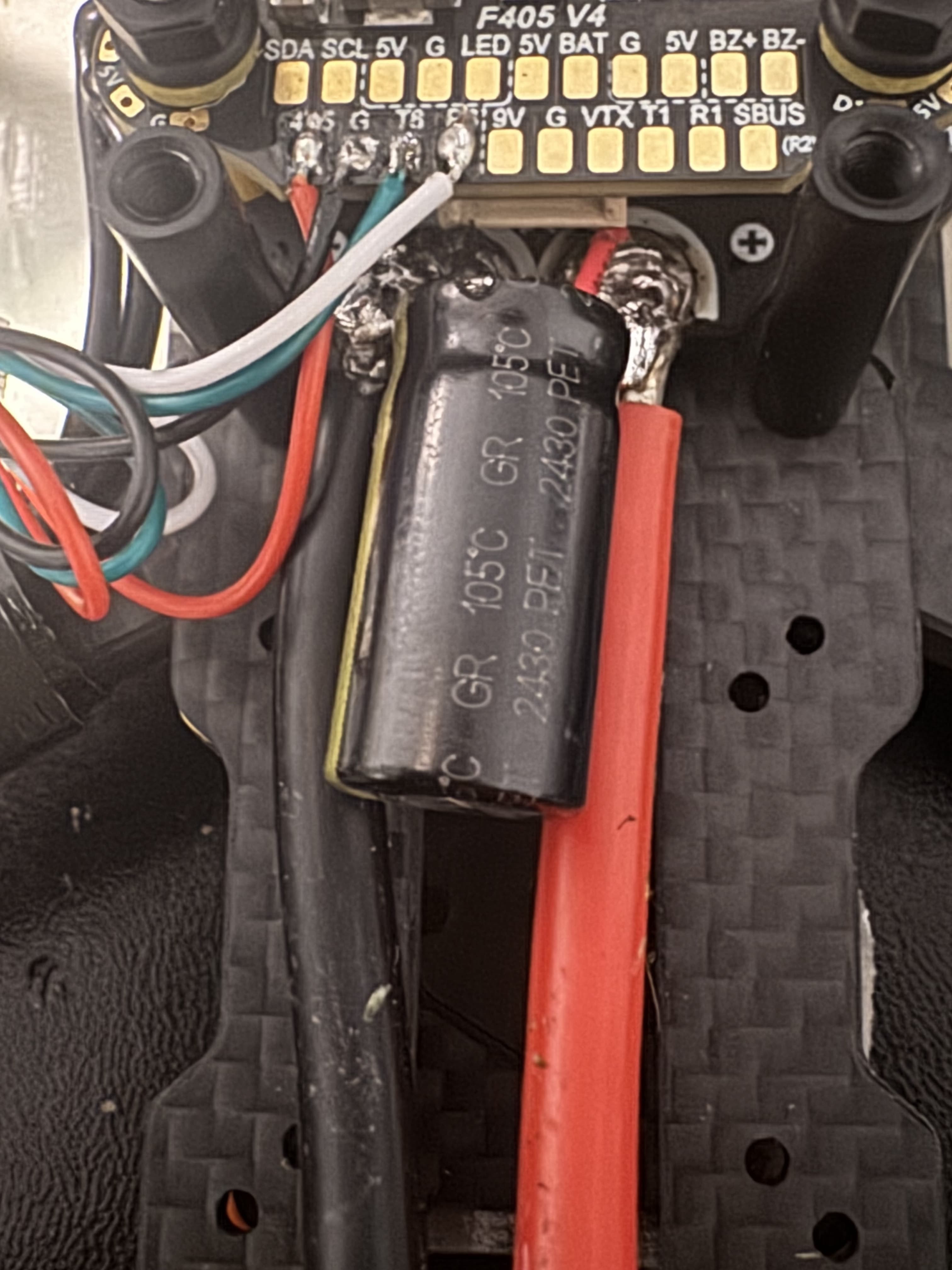
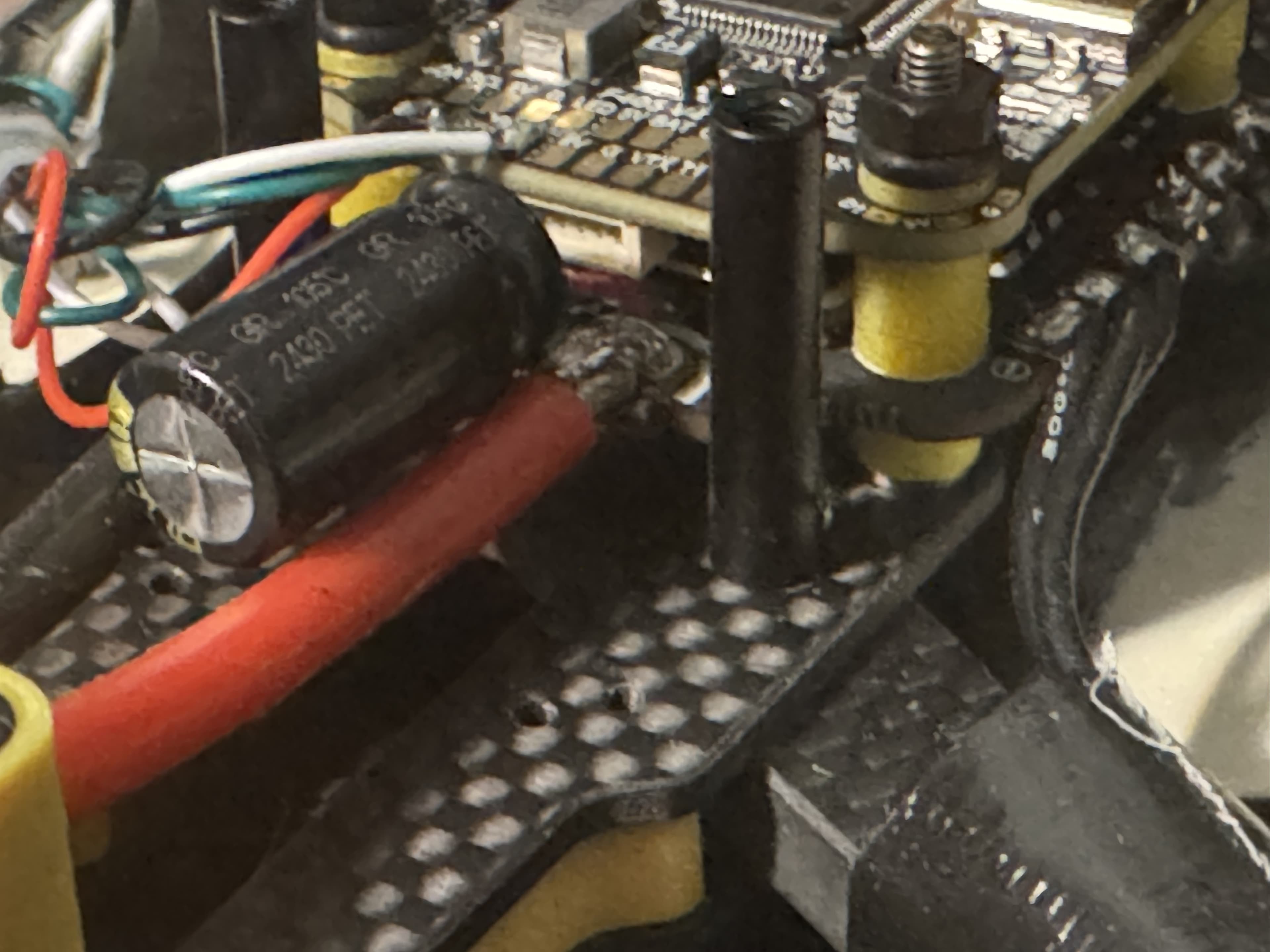
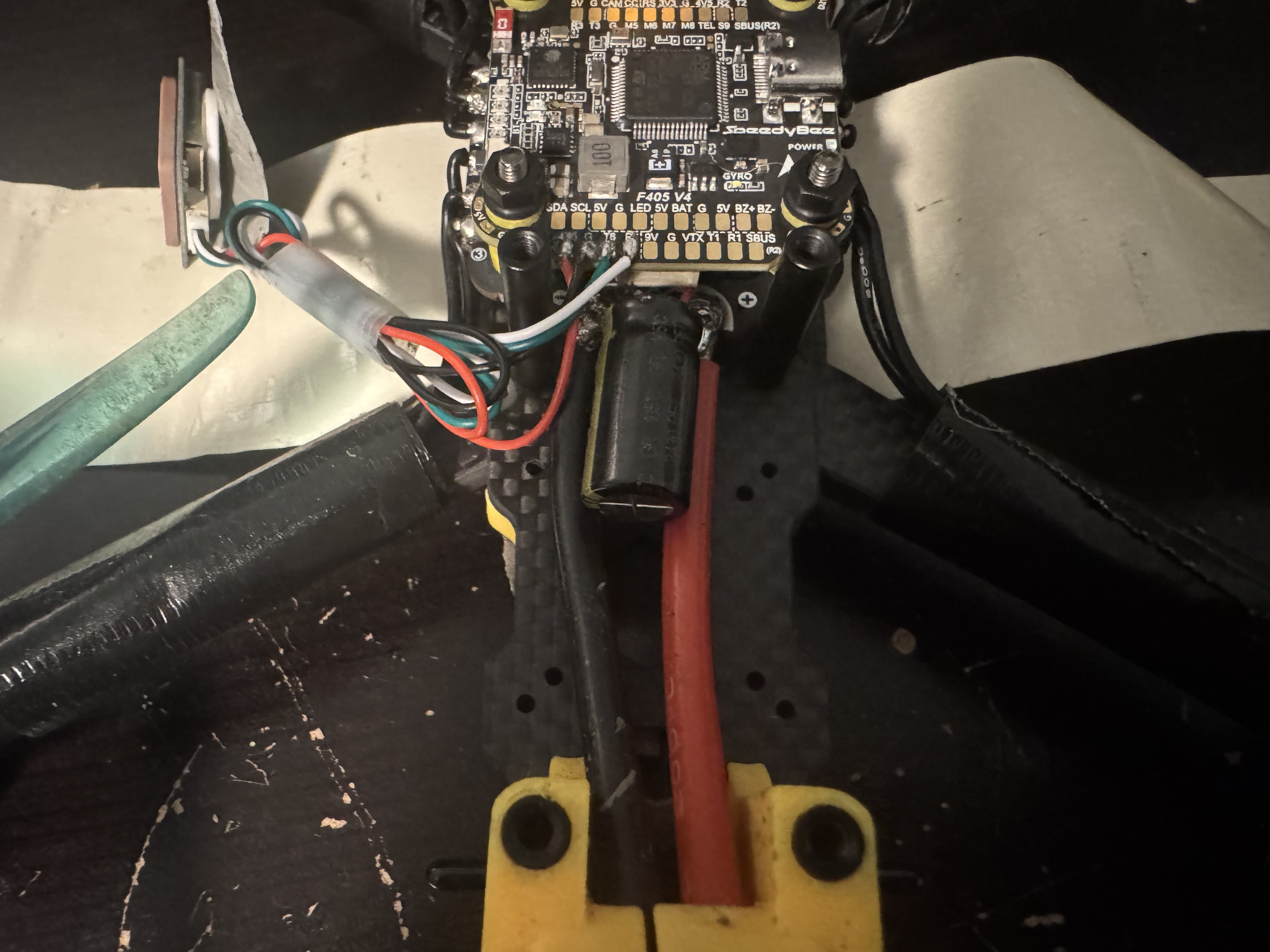
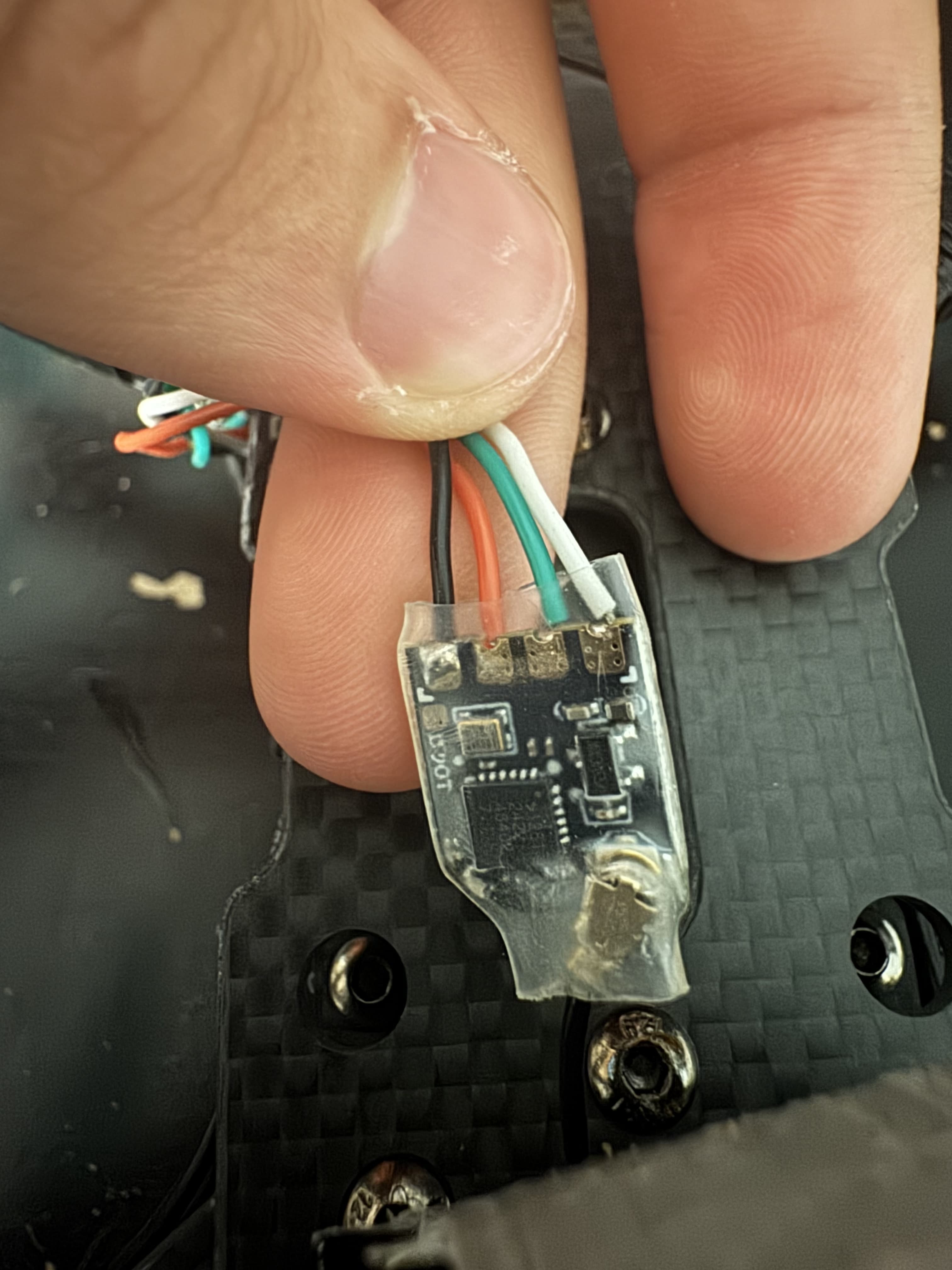
For this build, I installed a SpeedyBee combo stack that includes the F405 V4 flight controller and 50A ESC, wired to four brushless motors, a GPS module, and a standard FPV controller/receiver. The GPS module gives the drone DJI-style flight features such as position hold, return-to-home, and much more stable assisted flight. When the GPS is connected, the drone behaves like a typical consumer drone with added navigation support. But when the GPS module is removed, the drone switches back to a true FPV experience—fully manual, more agile, and completely pilot-controlled without any positional assistance. This setup lets the same aircraft function as either a stabilized GPS drone or a pure FPV rig depending on what features I want to use.
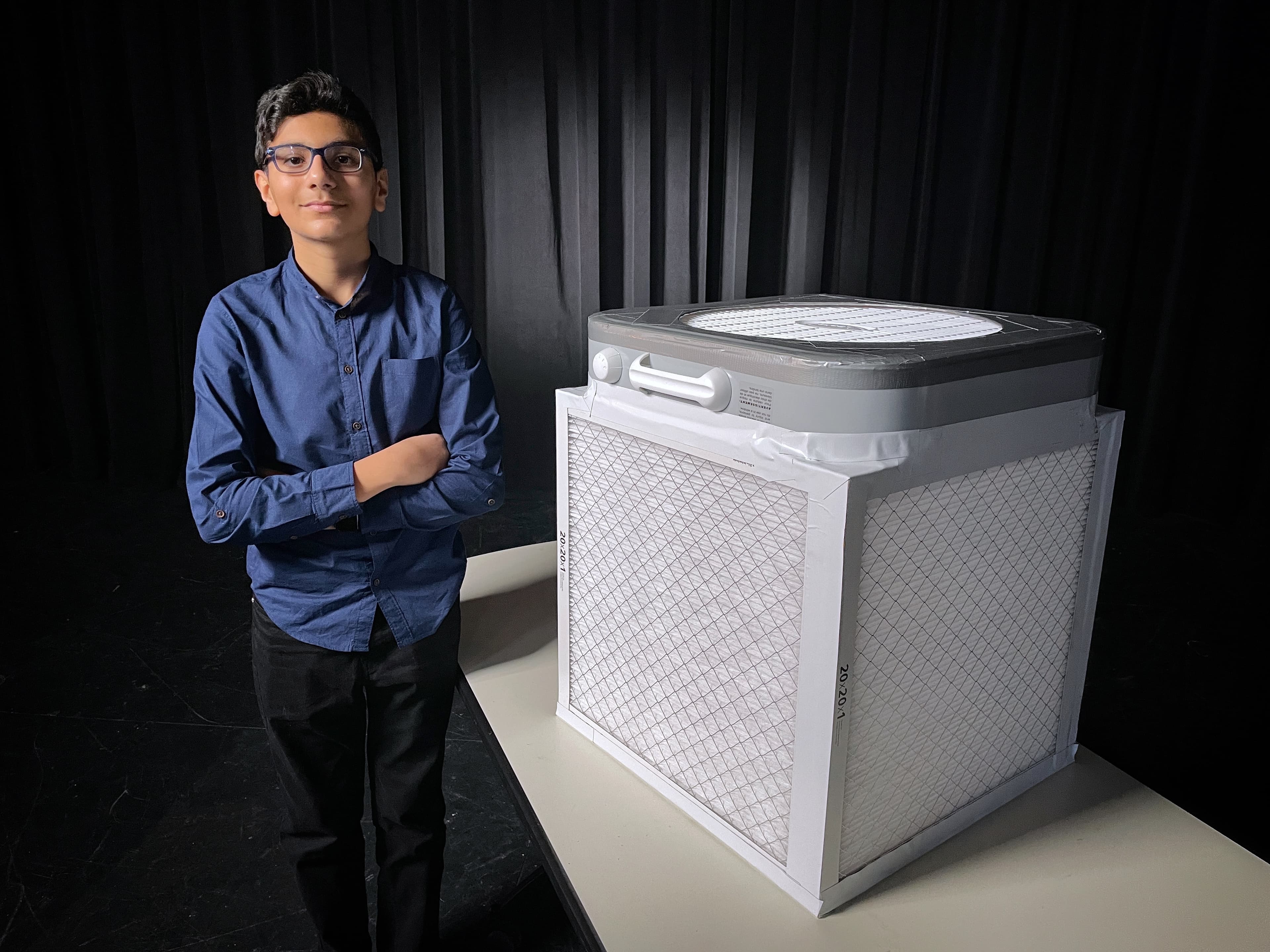
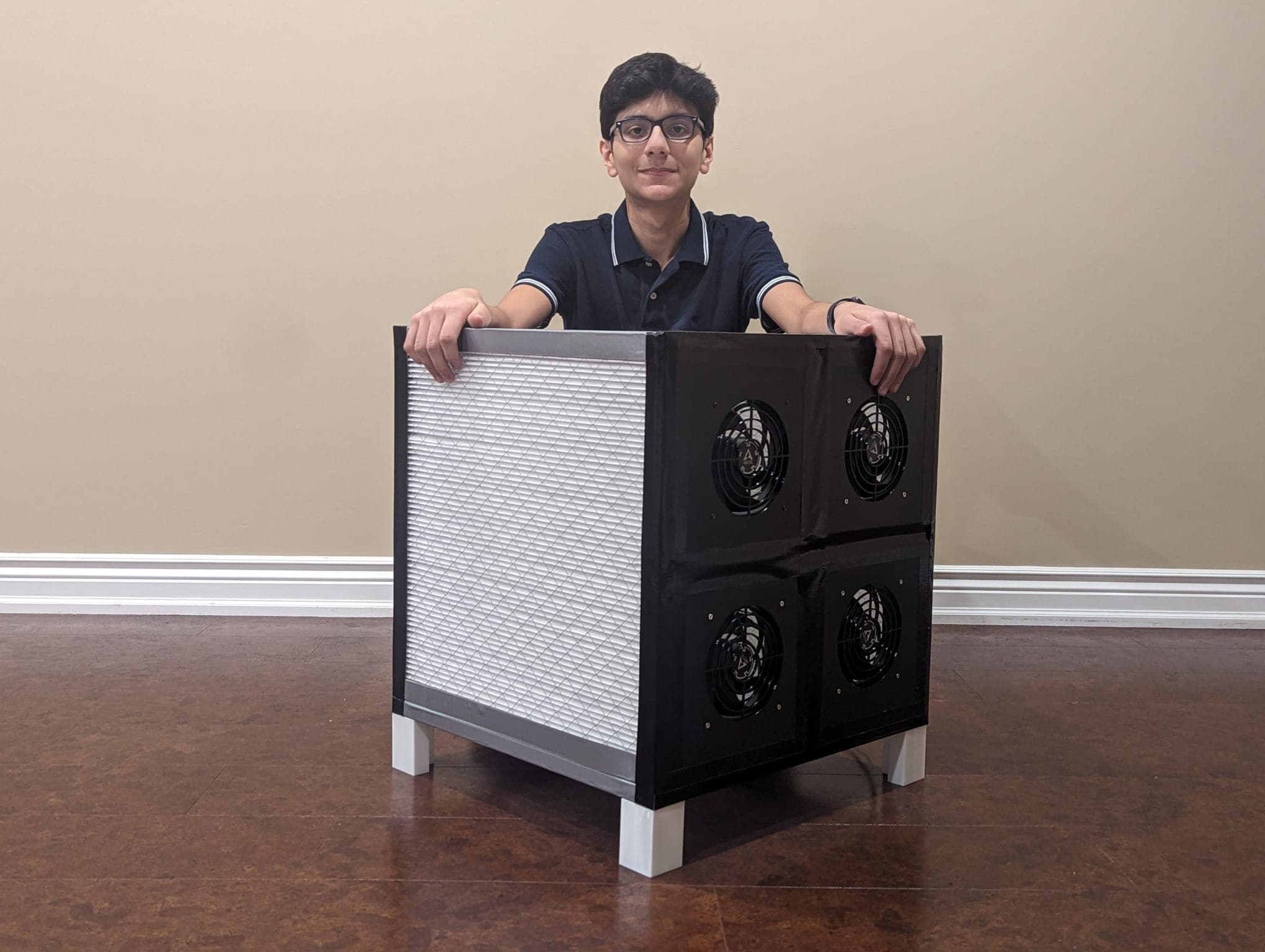
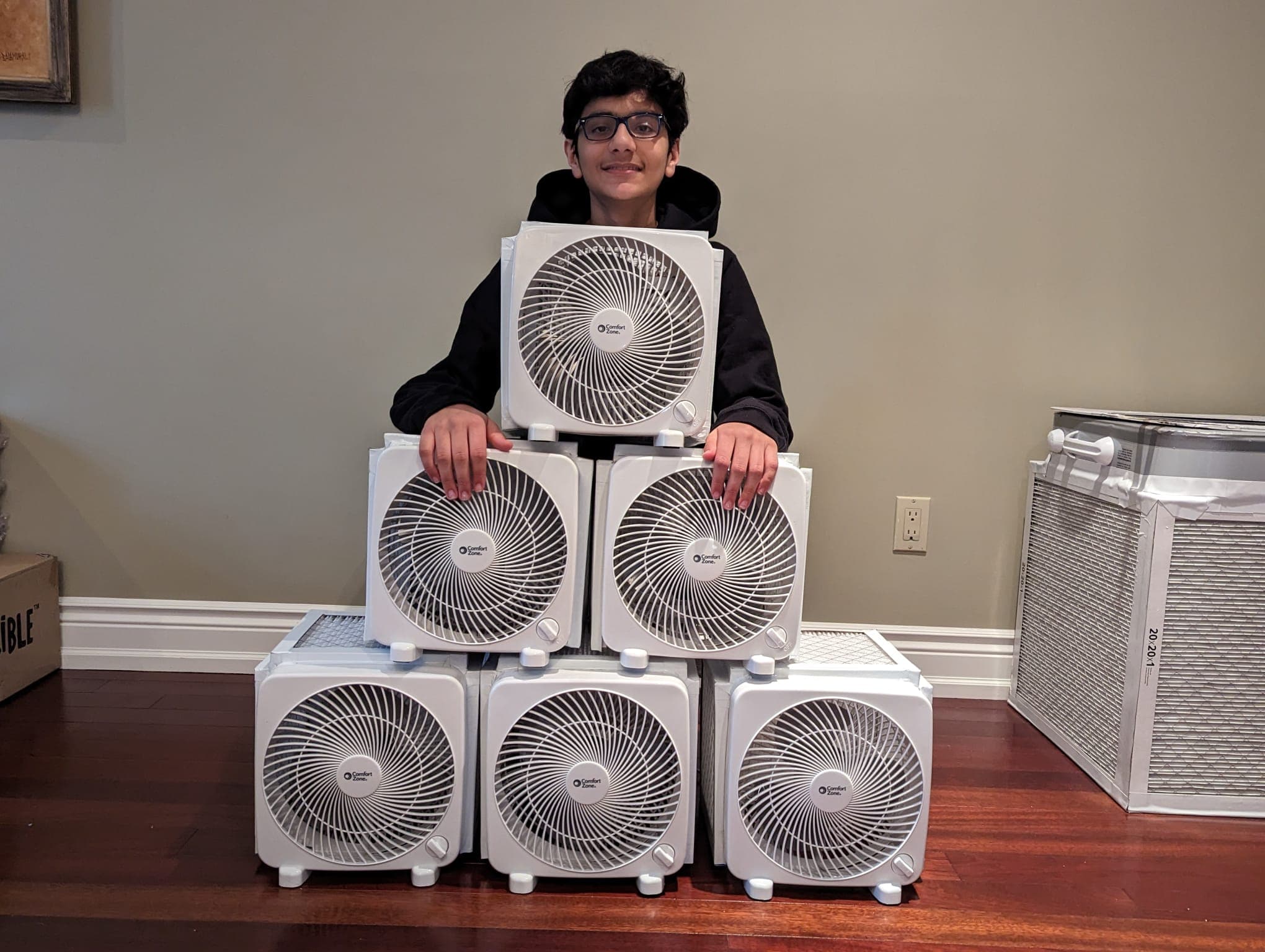
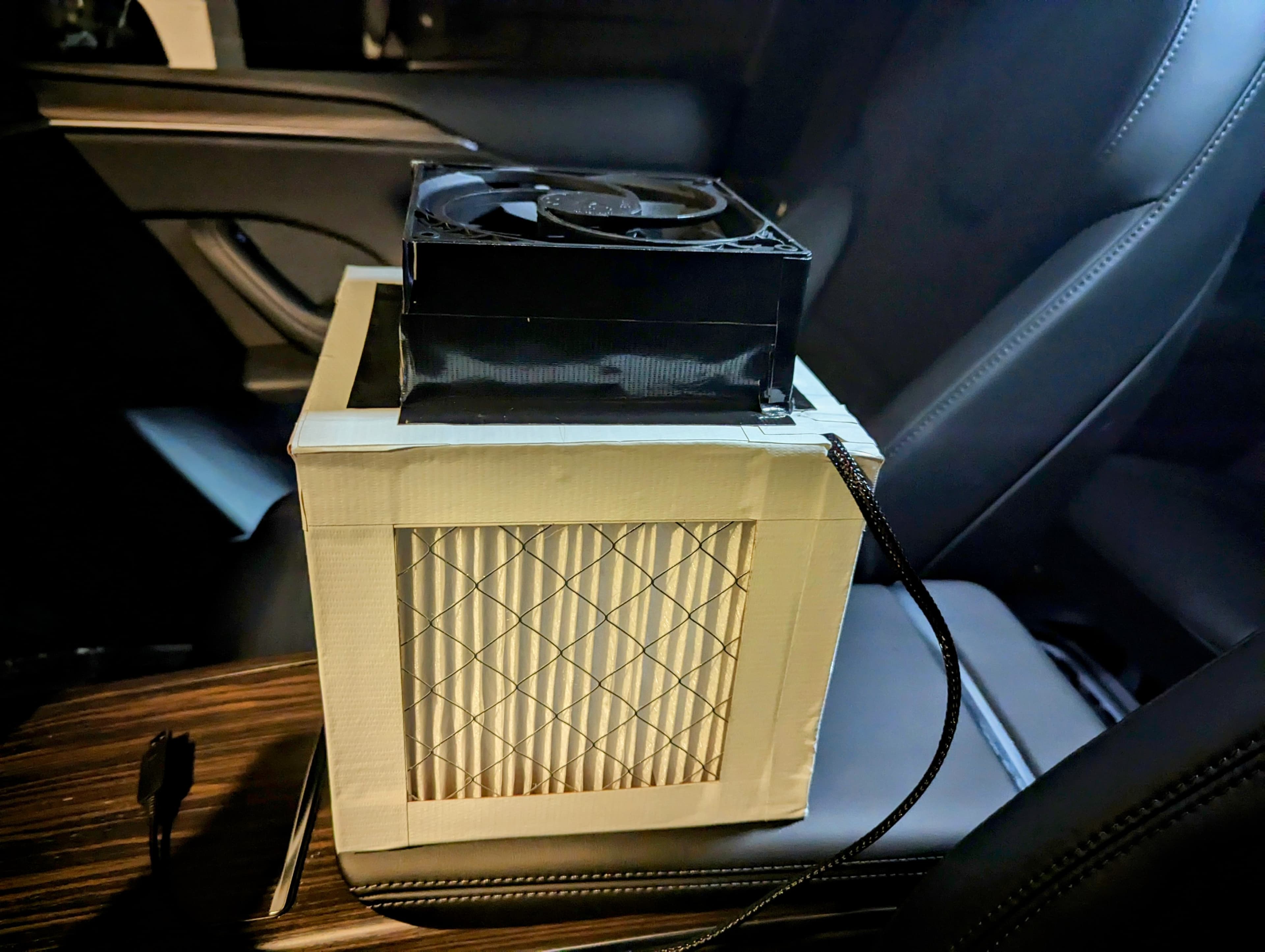
Created by Dr. Richard Corsi and Jim Rosenthal, the Corsi-Rosenthal box is a DIY indoor air filter composed of a box fan, 4 filters, and plenty of duct tape. The project was initiated to provide community members with an affordable solution to improve indoor air quality during the COVID-19 pandemic. The box fan pulls air through the filters on the sides and blows out clean air. It is proven to reduce indoor exposure to airborne particles, including those containing the virus that causes COVID-19. The box can also decrease the levels of other particles in the air, such as dust or wildfire smoke.


A 3D printing company that creates customized products for businesses and consumers. The company provides products to local businesses seeking specific parts, such as air freshener cases. Dynamic 3D also serves consumers by offering personalized items like cake toppers and toys.
One of my more interesting ventures has been creating cognitive tools for fencers, including a light-based reaction training system fitted onto their jackets.

Publications


Media
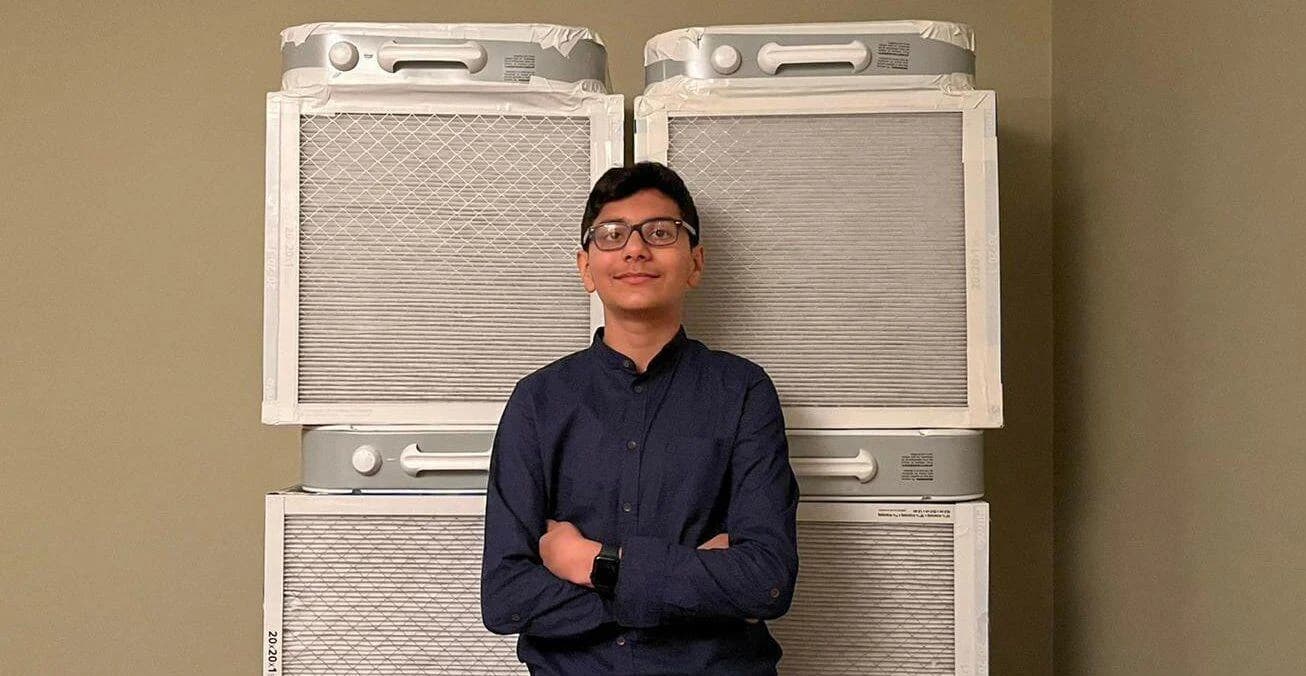
"A DIY air purifier that costs under $100 to make is taking America's classrooms by storm"
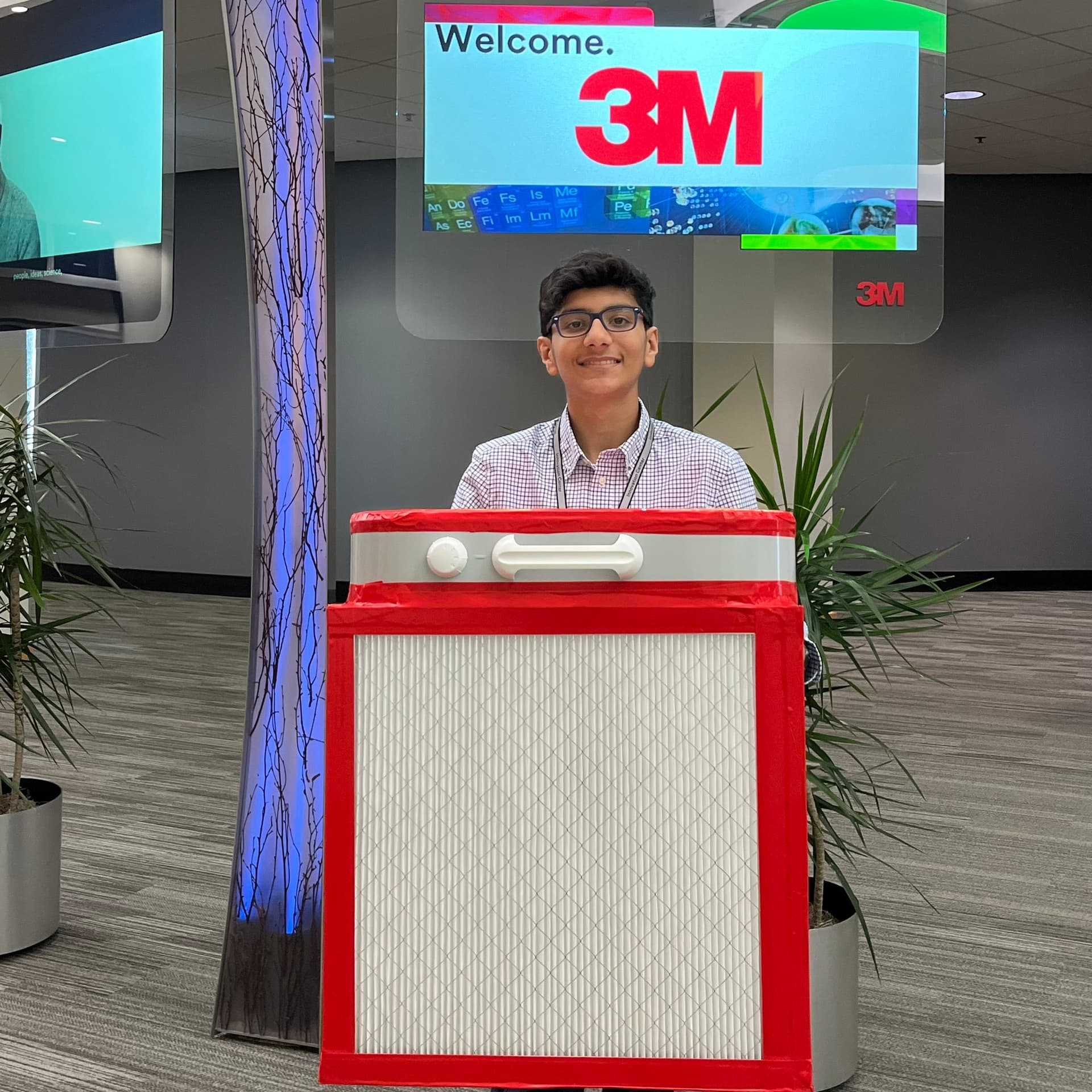
"This young scientist built 120 Corsi-Rosenthal Boxes - 3M surprised him with a trip to its global HQ"
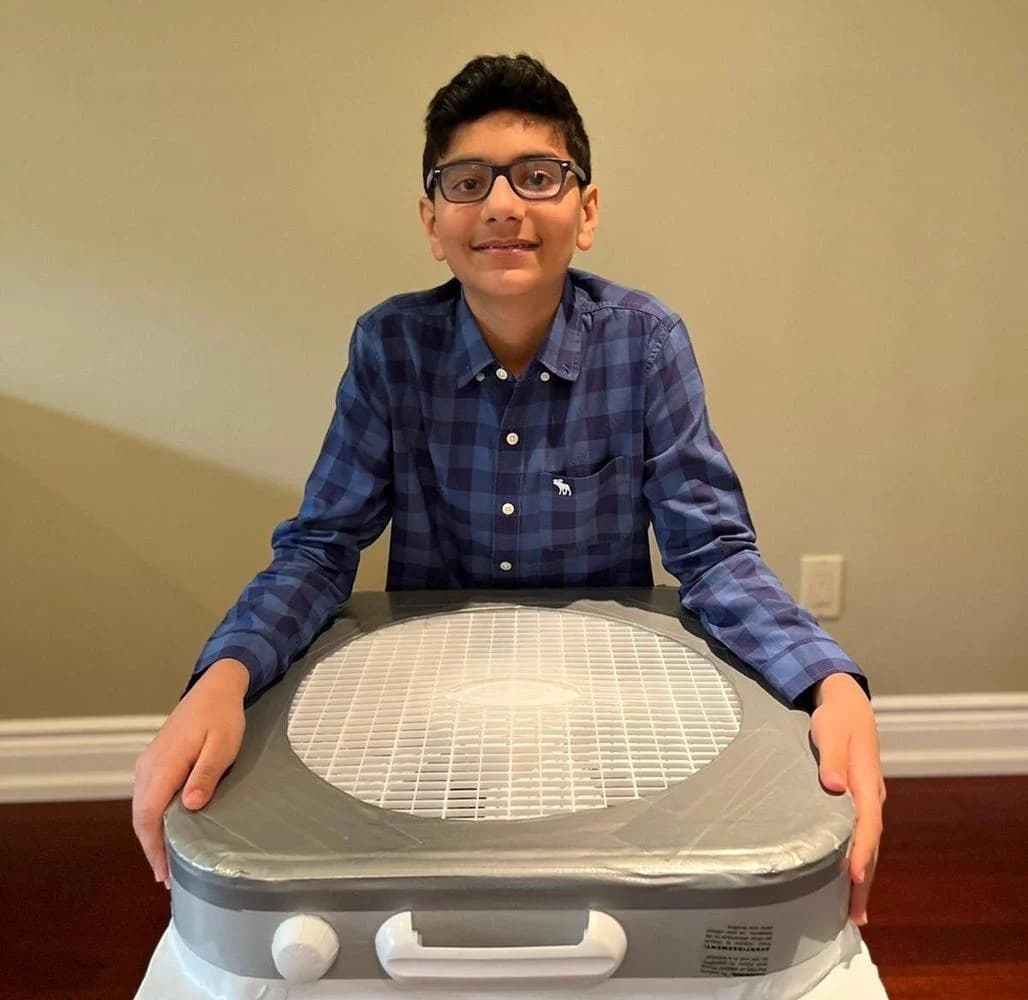
"'I can step up': Mississauga teen building air purification boxes to help fight the spread of COVID-19"

"Modern Entrepreneur Profile - Shiven Taneja, owner of Dynamic 3D."